
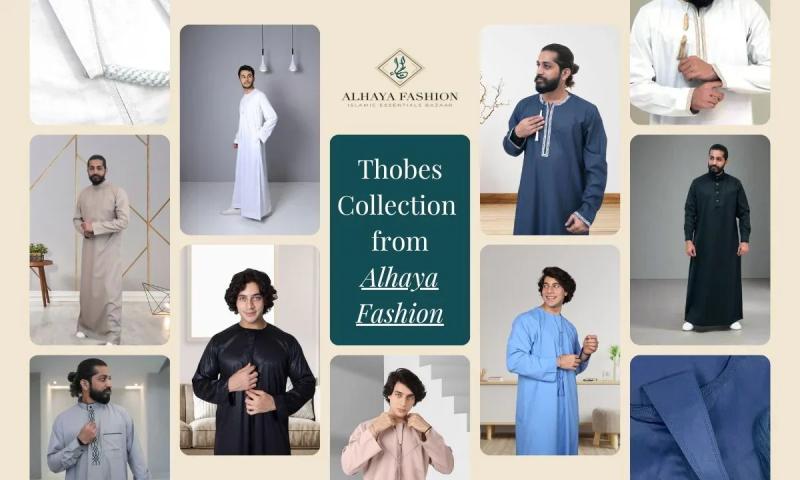
Thobes, the immaculate and flowing garments often seen gracing the streets of the Middle East, are more than just clothing. They are a symbol of cultural identity, tradition, and elegance that has transcended borders and captivated fashion enthusiasts worldwide. As global interconnectedness continues to foster cultural exchange, thobes have emerged as a fascinating topic for those interested in fashion and heritage alike. In this blog post, we delve into what thobes are, explore their popular styles and colours, and uncover why they continue to enjoy enduring popularity.
Understanding Thobes
To truly appreciate thobes, it’s essential to understand their roots. The term “thobe” (also spelled “thawb” or “dishdasha”) refers to a traditional long robe worn predominantly by men in Arab countries such as Saudi Arabia, Qatar, the United Arab Emirates, Oman, and Kuwait. Traditionally made from cotton or wool to suit the region’s climate conditions—lightweight for summer wear and thicker materials for winter—the thobe is characterised by its ankle-length design and loose fit. Its simplicity is part of its allure; however, subtle variations exist that make each region’s thobe unique.
For instance, in Saudi Arabia, you might notice the “bisht,” an outer cloak worn over the thobe during formal occasions. In Qatar and Kuwait, the collars tend to be less pronounced compared to those found in Oman where decorative embroidery is common around cuffs and necklines. These slight differences offer a glimpse into how regional cultures have influenced this garment over time.
Popular Styles of Thobes
While thobes maintain their quintessential form across regions, a long sleeve robe with either buttoned or open front closures, designers have introduced modern twists that cater to contemporary tastes without sacrificing tradition. One popular style is the “slim-fit” thobe which provides a tailored look while maintaining comfort through breathable fabrics like linen blends or microfiber.
Another favoured variation is the use of contrasting piping along seams or edges which adds a touch of sophistication without overpowering its minimalist aesthetic. Additionally, some designers incorporate hidden pockets or subtle pleats for added functionality—a nod toward modern lifestyles demanding both style and practicality.
Special occasion thobes often feature intricate embroidery patterns using gold thread on collars or sleeves known as “talli” work, a craft passed down through generations ensuring cultural preservation through artistry.
Exploring Colour Choices
Traditionally white has been synonymous with purity making it an ideal colour choice for everyday wear reflecting sunlight effectively keeping wearers cool amidst soaring desert temperatures but today’s palettes extend far beyond monochrome options offering exciting diversity suited for all occasions!
Neutral tones like beige cream provide alternatives retaining understated elegance allowing accessories such as headscarves shoes belts stand out against backdrop meanwhile darker shades navy charcoal black create striking contrast perfect evening events formal gatherings especially when paired matching accessories exude refinement gracefulness.
Moreover pastel hues gaining traction among younger generations seeking blend modernity tradition think soft pinks baby blues mint greens these colours symbolise freshness vitality infusing vibrancy into wardrobes previously dominated by whites neutrals!
Cultural Significance Behind Colours
Colours hold deep symbolism within various cultures globally similarly applies context wearing specific coloured-thobe signifies particular meaning varies depending societal norms beliefs example green associated prosperity fertility hence commonly seen during celebratory events weddings whereas red represents courage power often donned leaders influential figures demonstrate strength authority presence public settings!
Additionally certain hues reserved exclusively religious festivities Fridays considered holy day Muslims prefer donning pristine white attire mark sacredness spirituality involved practices combining personal devotion communal reverence shared identity faith-based communities worldwide showcasing harmony unity collective belief systems transcends geographical boundaries fostering sense belonging connectedness among diverse populations embracing shared traditions values despite differences backgrounds origins ultimately enriching human experience overall!
Modernisation Meets Tradition: A Fashion Statement
As with any traditional garment, thobes have undergone changes over time to adapt to modern lifestyles and preferences. However, what sets it apart is its ability to evolve while retaining its cultural significance and symbolism.
With the rise of global fashion trends, designers have taken notice and incorporated elements of thobes into their collections. Some high-end luxury brands even feature their own versions of thobes on runways, showcasing the garment’s versatility and appeal.
Moreover, social media has played a significant role in promoting this traditional attire to wider audiences. Fashion influencers from different backgrounds have embraced thobes as part of their style repertoire, breaking down cultural barriers and adding a unique touch to their outfits.
Thobes have also become a source of empowerment and pride for many young Muslims, who now have a variety of options to choose from that cater to their personal style. Whether it’s a modern slim-fit thobe or a traditional embroidered one, wearing this garment is more than just a fashion statement, it represents culture, heritage, and identity.
Conclusion
In conclusion, thobes are not just traditional robes worn by men in Arab countries—they are symbols of cultural significance and timeless elegance. With its ability to adapt to modern preferences while retaining its traditional roots, the thobe continues to gain popularity globally as both a fashion statement and a representation of heritage.
