
The rise in cybercrime incidents and security breaches has highlighted the importance of safeguarding personal information. Both people and companies are increasing their efforts to protect themselves against fraud and cyber-crime.
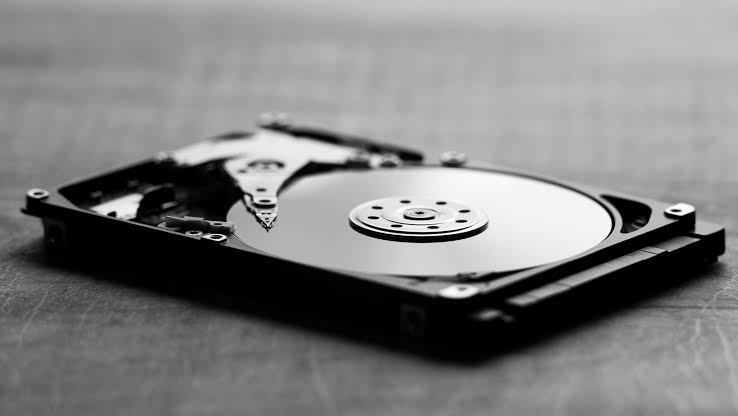
One option is to shred the hard drive.
Shredding hard drives is a reliable method that is often ignored for ensuring data protection. This method effectively stops unauthorized access to your sensitive data by physically destroying the hard drive, making data recovery impossible even if you are unfamiliar with it.
Understanding the Limitations of Data Removal
A common misunderstanding is that removing files or formatting a hard drive permanently deletes data. However this is not the reality. When a file is wiped, its contents remain on the device until new data replaces it. Despite being formatted, advanced software approaches can retrieve deleted data. This poses a considerable danger, particularly if the hard disc includes sensitive business or personal data.
The Procedure of Hard Drive Shredding.
Hard drive shredding is the physical process of breaking a hard disc into little, unrecoverable fragments. Specialised commercial shredders are used to smash, split and cut hard discs into small pieces, making the information stored on them utterly inaccessible. Unlike degaussing, shredding fully destroys the disc, destroying all data storage elements.
Importance of Hard Drive Shredding
Data security: Any shredding procedure for a hard drive eliminates the chance of data recovery. This is especially crucial for firms that handle sensitive customer data, financial information, or proprietary information. You can prevent illegal access to your data by physically deleting the disc.
Regulation Compliance: Many businesses are obliged to adhere to strict data protection requirements, such as GDPR in Europe and HIPAA in healthcare. These recommendations frequently entail the safe destruction of data that is no longer required. Shredding hard drives is a dependable method for fulfilling legal obligations and safeguarding your firm from possible fines and litigation.
Identity Theft Prevention: People are able to safeguard themselves against identity theft and fraud by deleting their hard drives. Old hard drives can hold sensitive information such as personal identities, bank account details, and passwords. Shredding assures that this information cannot be retrieved and used in a harmful way.
When should you consider hard drive shredding?
It makes sense to consider hard drive shredding in many different kinds of scenarios, including replacing or decommissioning old systems, disposing of unusable drives, and dissolving a business. It is especially important when maintaining hard drives containing confidential or sensitive data.
Final Thoughts.
Hard drive shredding is an extremely effective means of preventing unlawful access to your data.
Eliminating the hard drive completely guarantees total data protection by removing any potential for data recovery. Hard drive shredding has become essential for both personal security and business compliance.
